Department of Education Services

Building skills, shaping futures

The Education Department coordinates and facilitates the provision of education services by church-owned education facilities under TEC and CCT.
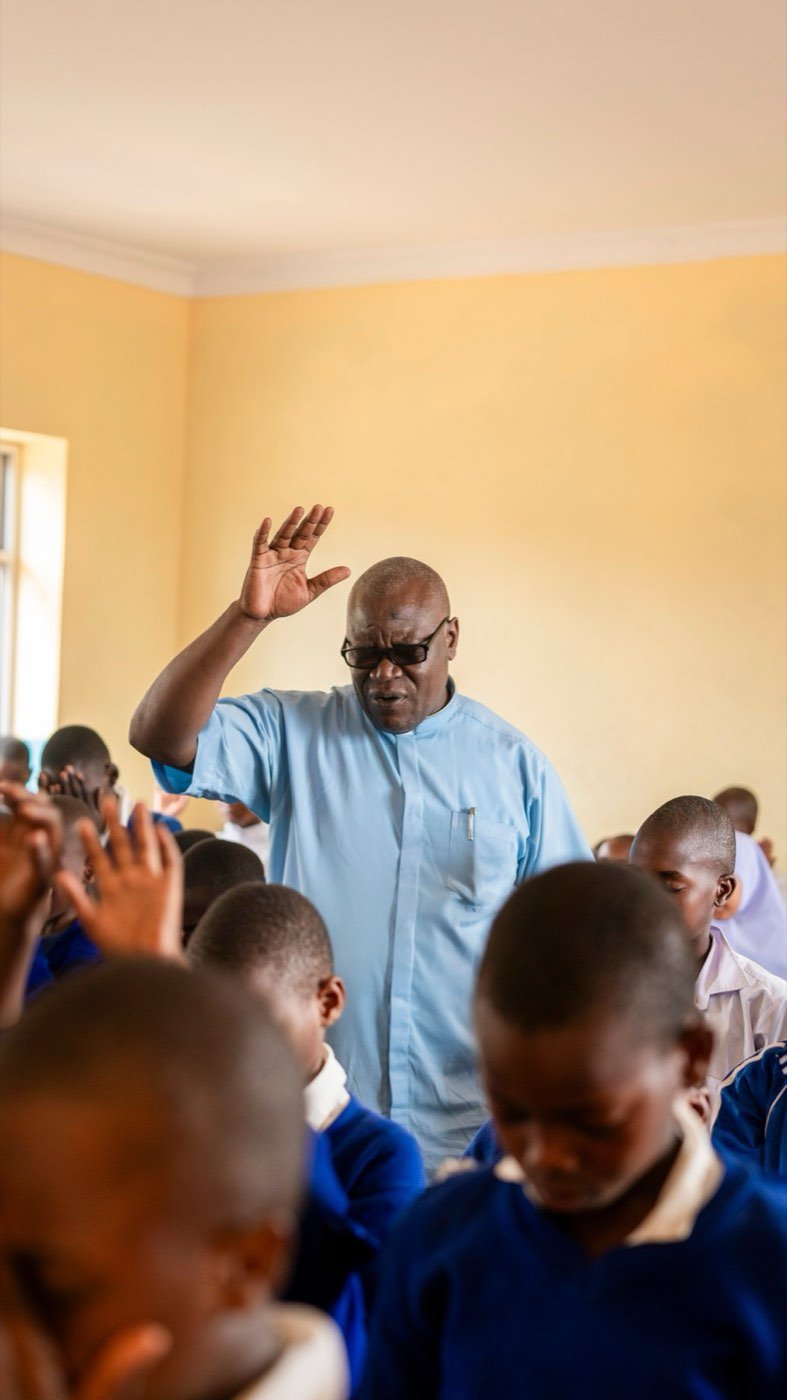
A teacher engaging pupils in a classroom
Our network

Church-owned education facilities

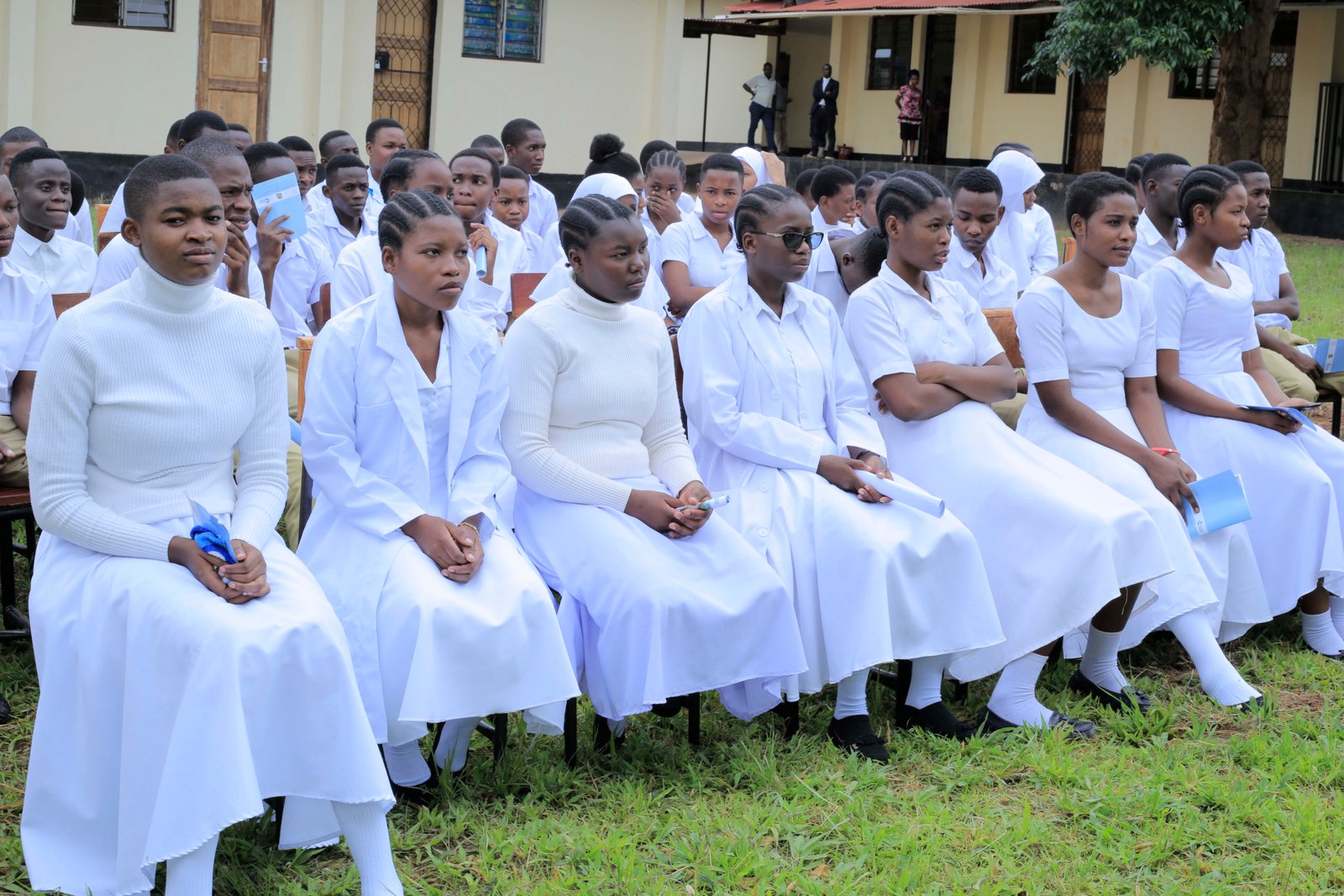
These facilities are spread throughout the country, and many are rural-based. In total, Churches own 7% of all basic education facilities in the country.

404Registered pre-primary schools
268Primary schools
423Secondary schools (including 50 seminaries)
9Teachers colleges
96Vocational education and training centres
22Universities and university colleges
How we work

Three units, three strategic objectives

The work of the Education Department is organised along three main areas, reflected in its three units.

Advocacy — Policy Unit

“The government – at national, regional and council levels – has improved the development of- and adherence to policy and legal frameworks that promote effective engagement of Church education facilities in service delivery.”

Capacity building — Technical Unit

“Church education facilities improve the management of their service delivery and adhere to policy by operationalizing effective management systems.”

Networking & partnership — Programme Unit

“The government – at national, regional and council levels – and development partners increasingly recognize, involve, partner and collaborate with CSSC to improve education services in Tanzania.”

Education Department — Policy Unit

Since its inception, CSSC has advocated for a conducive environment for accessible and quality education in Tanzania. CSSC actively participates in- and organizes dialogue meetings to review and develop National and Church education policies and legal frameworks. Some notable achievements:

  • CSSC managed to advocate for the re-introduction of science practical examinations for the Certificate of Secondary Education (Form IV), which were previously abolished by the Government.
  • CSSC advocated for the development of a national pre-primary framework; this framework was later developed by the Tanzania Institute of Education (TIE) in collaboration with CSSC and other stakeholders.
  • CSSC advocated for increased enrolment of girls in secondary education, and in particular for science and mathematics subjects. As a result, Churches increased the number of girls' secondary schools and introduced co-education in boys' secondary schools. Subsequently, girl enrolment in Church schools has tripled from 26% in 1997. Similarly, the number of girls opting for science and mathematics has increased from 54% in 1997 to 65% in 2015 in Church secondary schools.
  • CSSC advocated for changes in taxation laws which negatively affected the operations of Church education institutions. These laws included Skills Development Levy (SDL), Business License and VAT for donated goods. The Government has now put into place mechanisms for providing SDL exemptions to education facilities owned by Churches and not-for-profit NGOs.
  • CSSC also promotes adherence to policy and legal frameworks by Church education facilities. CSSC continuously sensitizes owners and managers of Church-owned education facilities on relevant policies, monitors adherence, and provides advice on best approaches to address gaps.

Current advocacy issues

  • Advocating for adherence to government policy on charitable status of education facilities
  • Advocating for approval of new guidelines for governance committees of church-based primary schools
  • Defending Church interests in the review of the Education Act
  • Advocating for revised transition rates from Form 2 to Form 3
  • Monitoring adherence to flexible CAS & student loan regulations for tertiary education facilities
  • Advocating for expanding student capacity in seminaries
  • Advocating for public-private partnerships for advanced level secondary education
  • Promoting community engagement in advocating for adherence to education frameworks
  • Harmonising curriculum for religious education
  • Harmonising internal examination arrangements
  • Supporting the development of Diocesan Education Policies

The Unit is supported by an Education Technical Advisory Committee (TAC-education), representing relevant stakeholders (Church, Government and development partners), who meet at least twice a year to advise the Department on (emerging) advocacy issues and best ways to address them.

Education Department — Technical Unit

Technical capacity building support has ‘traditionally’ focused on secondary education. This support included:

  • Construction and rehabilitation of infrastructure, i.e. 143 laboratories and 17 teachers' houses in 49 secondary schools.
  • Provision of books, laboratory equipment and chemicals to 150 secondary schools.
  • Training of science and mathematics teachers in student-centred teaching and learning methods, through the “Science Teaching Improving Programme (STIP)”. The Government has since built on the leverage of STIP successes, introducing a similar programme (“Science Education in Secondary Schools (SESS)”) in public secondary schools.
  • Introduction of E-learning in Forms I & II of 47 secondary schools (in collaboration with HDIF).

During the past few years, more support has been given to pre- and primary schools (training in the use of the new national curriculum, and in competence-based teaching), and we hope to expand support to vocational training centres in the near future (contingent on external backing).

Current result areas

  • Strengthening the financial management of secondary schools;
  • Improving the quality of education services of secondary schools;
  • Strengthening primary school governing committees (contingent on the release of government guidelines);
  • Promoting E-learning;
  • Strengthening the management/leadership capacity of heads of secondary schools;
  • Supporting in-service training of primary and secondary school teachers;
  • Professional upgrading (heads of secondary school); and
  • Promoting learner-centred teaching in secondary education.
Programmes

Education programmes

Projects delivered by the Education Department with our partners.

Education

UWAWA- USALAMA WA WATOTO PROJECT

Funded by Karl Kübel Stiftung

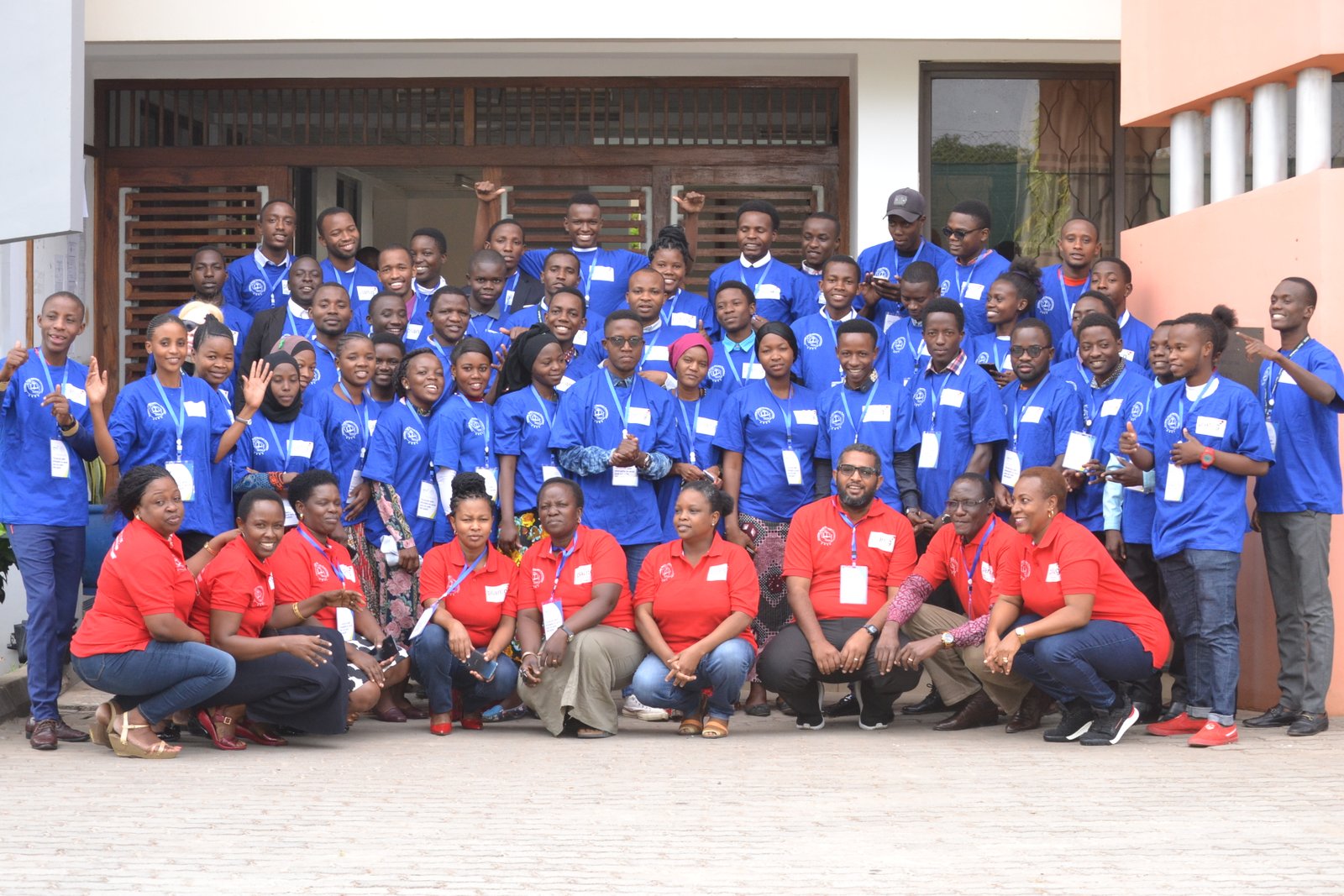
UWAWA project is the 3 years project (2020-2022) implemented by CSSC with a financial support from German Karl Kübel Foundation (KKF) aiming...
View project
Education

HIV/AIDS GAME CHANGER PROJECT

Funded by Karl Kübel Stiftung

In 2017, the Austrian organisation plan: g - Partnership for Global Health and CSSC started developing a project that not only meets the nee...
View project
Education

E-LEARNING PROJECT

Funded by Italian Bishop Conference

Continued poor performance in mathematics and science subjects at secondary-schools is of particular concern to the government, as well as t...

View project
Collaborate

Partner with the Education Department

For more information and opportunities for collaboration or partnership, contact the Director of Education Services.